 Skip to content


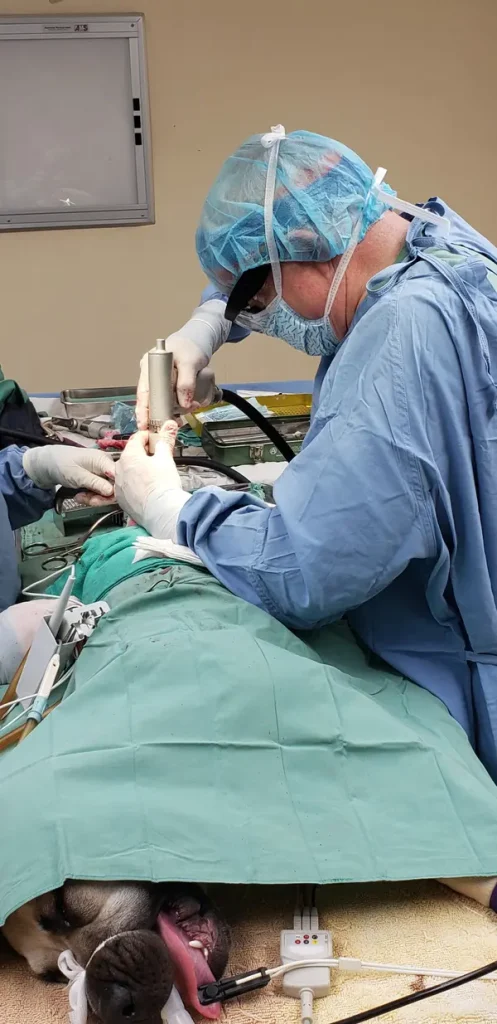
The preservation and welfare of animals all throughout the planet depend much on wildlife medicine. It comprises a range of techniques meant to diagnose, treat, and stop diseases in wild animals. From field medicine to cutting-edge veterinary treatment, these procedures are absolutely essential in preserving biodiversity and saving animals from extinction. Wildlife medicine becomes a necessary tool for preservation as habitat loss, climate change, and human activities pose growing hazards to the species. We will discuss seven main approaches in wildlife medicine that are significantly helping to preserve animal species on this blog.
Tracking Wildlife Diseases
One of the most important activities in wildlife medicine is keeping an eye on diseases among the animals. Regular surveillance lets professionals find and stop illness outbreaks that may otherwise wipe off entire populations. Through research on animal health, veterinarians can spot new diseases and design sensible treatment plans. Moreover, disease monitoring supplies information required for the planning of wildlife protection and tracks the condition of threatened species. Preventing extensive epidemics and guaranteeing the survival of species depend on early identification of diseases in wild populations.
Rescue and Field-based Therapy
A cornerstone of wildlife medicine is field-based treatment. Particularly in cases when animals are too far from a conventional animal emergency room or veterinary clinic, veterinarians and wildlife experts frequently must treat animals in the field. This procedure covers wound treatment, emergency rescue, and animal injury or illness antibiotics administration. Wildlife veterinary experts can save animals from suffering and enable their return to their natural habitats by offering quick care in the wild. Field treatment also reduces stress as moving animals to a clinic can compromise their recovery.
Releases and Rehabilitation
The practice of rehabilitation of wildlife involves being injured, sick or orphans back with an eye, leaving them back in nature. Working together, veterinarians and rehabilitation treat hunger, injuries and illnesses. The animals are stabilized then given a safe place to heal before being let go. This habit guarantees that animals can keep contributing to their ecology. Programs for rehabilitation and release center on bringing animals back to their original environments so they may flourish and help to preserve species.
Programs in Captive Breeding
Saving threatened species from extinction depends critically on captive breeding initiatives. To boost their population, these projects breed animals under regulated conditions—that of wildlife sanctuaries or zoos. By tracking animal health, guaranteeing appropriate genetic variety, and preventing diseases, wildlife medicine is absolutely vital in these initiatives. Moreover, programs of captive breeding are sometimes connected to attempts of reintroduction, in which animals kept in captivity are released back into the wild to increase wild numbers.
Immunization and Disease Prevention
One of the most powerful weapons in wildlife medicine for stopping the spread of contagious diseases is vaccination. Vaccines can help safeguard populations vulnerable to diseases such avian influenza, distempers, and rabies. Given their distinct habitats and risk factors, wildlife veterinary experts also concentrate on developing vaccines particular to the needs of wild populations. Vaccinating wild animals helps to lower death rates, stop major outbreaks, and guarantee the survival of species that illnesses may otherwise eradicate.
Modern Diagnostics Strategies
Modern diagnostics, include DNA testing, imaging, and blood analysis have tremendously helped wildlife medicine. These instruments enable doctors of veterinary medicine find the underlying causes of diseases and modify their therapies. Moreover, they enable the identification of diseases that might not display clear symptoms, therefore enhancing early diagnosis and treatment. Using cutting-edge diagnostic techniques helps wildlife veterinarians more precisely monitor the condition of individual animals and whole populations, guaranteeing timely and successful treatments.
Work with Environmental Groups
Saving animal species depends much on cooperation between conservation groups and wildlife veterinarians. While doctors offer knowledge on animal health, conservationists bring a priceless understanding of the habitats and behaviors of species. They develop and carry out plans for species recovery, habitat protection, and disease prevention taken together. Working with local governments and communities also helps to guarantee that long-term attempts at wildlife preservation are viable. The ongoing survival of threatened species depends on this cooperative approach.
In conclusion
To sum up, modern conservation initiatives depend much on wildlife medicine. From illness tracking to rehabilitation and captive breeding, the above described methods save animal species and safeguard biodiversity. Wildlife medicine will remain a vital tool in maintaining the most vulnerable species on Earth as long as wildlife veterinarian care, animal emergency room services, and worldwide cooperation keep developing. Investing in these methods will help to guarantee that animals of next generations flourish in their native environments.


