 Skip to content


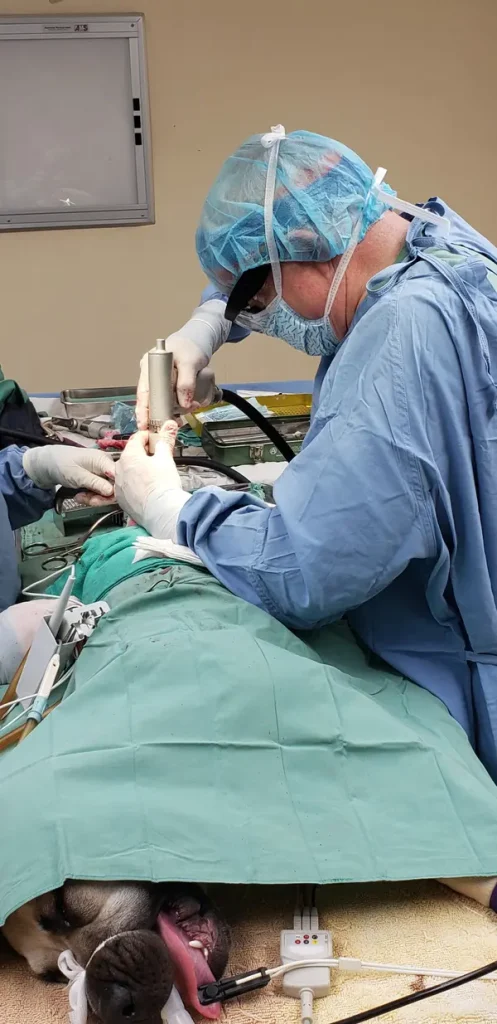
The rehabilitation of damaged animals depends much on wildlife surgery. More animals need medical attention when human activities affect wildlife; from slight injuries to complicated surgical operations. These operations are not only essential for the survival of the particular animal but also for the general state of ecosystems. Seven common forms of wildlife surgery will be discussed in this blog, together with their significance. Knowing these techniques can help emphasize the importance of wildlife surgery in conservation initiatives, particularly for exotic animals in great demand of treatment.
Repair of Fractures
Among the most often performed animal operations is fracture repair. Attacks from predators, vehicle collisions, or falls all cause shattered bones in many animals. Their life depends on these fractures being healed, therefore they can return to the wild. Vets support the bone using pins, plates, or external fixation devices. Moreover, fracture treatment helps lower long-term suffering as well as other complications including infections. Many times, this surgery is carried out on exotic animals and enormous wild animals with injuries. Effective healing from a fracture lets animals restore movement, therefore facilitating their survival in their natural habitats.
Soft Tissue Surgery
Animals with injuries to muscles, skin, or internal organs need soft tissue surgery. Trauma, bites, or infections—all of which can cause serious injuries—demand quick attention. Procedures such as suturing lacerations or mending damaged muscles are common in surgery. Soft tissue surgery can also treat problems including internal bleeding or organ damage, which, left untreated, might cause major consequences or death. Recovering damaged animals—including exotic pets— depends on this kind of operation. Good treatment guarantees complete healing, therefore avoiding infection and enabling the animal to either find a new home or return to its original habitat.
Spinal Operations
Severe trauma might cause spinal damage that will compromise an animal’s mobility or possibly breathing. For animals with spinal injuries—usually resulting from falls or vehicle accidents—spinal surgery is vital. Surgeons meticulously complete treatments to fix spinal cord pressure or heal vertebral fractures. Certain exotic animals, especially reptiles, that could have spinal issues from inadequate living conditions also need spine surgery. Particularly in the wild where movement is necessary for hunting and avoiding predators, spinal surgery greatly enhances the quality of life and guarantees greater survival prospects by restoring the mobility of the animal.
Eye Examining
In wildlife, eye damage is rather prevalent and usually results from environmental risks, accidents, or predators. Ruptured corneas, cataracts, or diseases compromising the animal’s vision may all require eye surgery. Whether an animal is hunting, avoiding danger, or negotiating its surroundings, survival depends on sight. Moreover, eye operations carried out on unusual animals, such as reptiles or birds, can restore their vision and stop long-term blindness. By means of timely intervention through eye surgery, wildlife can return to their original environments, therefore preserving their natural habits and capacity for wild survival.
Spaying and Neutering
Common operations used in both wild and confined environments to assist regulate the animal count are spaying and neutering. Reducing the number of stray animals—including exotic pets—which can cause overpopulation and resource strain depends especially on these operations. For wildlife, these operations are sometimes part of conservation initiatives to control population increase or stop some species from becoming invasive. By removing the possibility of some cancers and stopping undesired behavior, neutering and spaying also enhance the animal’s health. Through control of animal numbers in particular locations, these operations also help to balance the ecosystem.
Dental Work
Though they have major medical consequences, dental problems are sometimes disregarded in wildlife surgery. Exotic pets, among other animals, might have abscesses, infections, or damaged teeth. Dental surgery could call for root canal treatments or damaged tooth extraction. Heady dental problems can cause animals to eat errors, leading to malnutrition and a compromised system system. In addition, dental problems can lead to infections traveling to the body. Timely dental treatment guarantees the animal keeps enough diet and avoids more difficulties, thereby contributing to its general survival and health in the wild.
Trauma Emergency Surgeons
Animal urgent care depends critically on emergency trauma surgery. Among the several terrible ailments wildlife can suffer from include gunshot wounds, severe bites, or injuries brought on by natural calamities. Surgeons have to respond fast to stabilize the animal and carry life-saving operations including internal hemorrhage repairs or item removal. Moreover, many times these critical operations stop infection and long-term damage. Emergency operations provide wildlife an opportunity to heal and return to their habitats by means of quick medical assistance. Not only for big animals but also for exotic pets who can suffer in captivity this operation is essential.
Finish
In essence, the survival and recovery of injured animals depend much on wildlife surgery. Essential for ensuring animals recuperate and return to their natural habitats are the seven kind of procedures covered: fracture repair, soft tissue surgery, spinal surgery, eye surgery, neutering and spaying, dental surgery, and emergency trauma surgery. For both exotic animals and big wildlife, these surgeries are basic for long-term health. Wildlife surgery not only guarantees better quality of life for individual animals but also supports more general conservation initiatives by means of timely and competent intervention, therefore ensuring better ecosystems for next generations.


